What Makes Jewelry Ethical? A Guide to Responsible Luxury is written for buyers who want a calm, precise answer before choosing fine jewelry. Ethical jewelry is not defined by one word or material. It depends on transparent sourcing, responsible production, clear labour standards, truthful claims, durable craftsmanship, and honest communication. Buyers should look for specifics rather than broad promises.
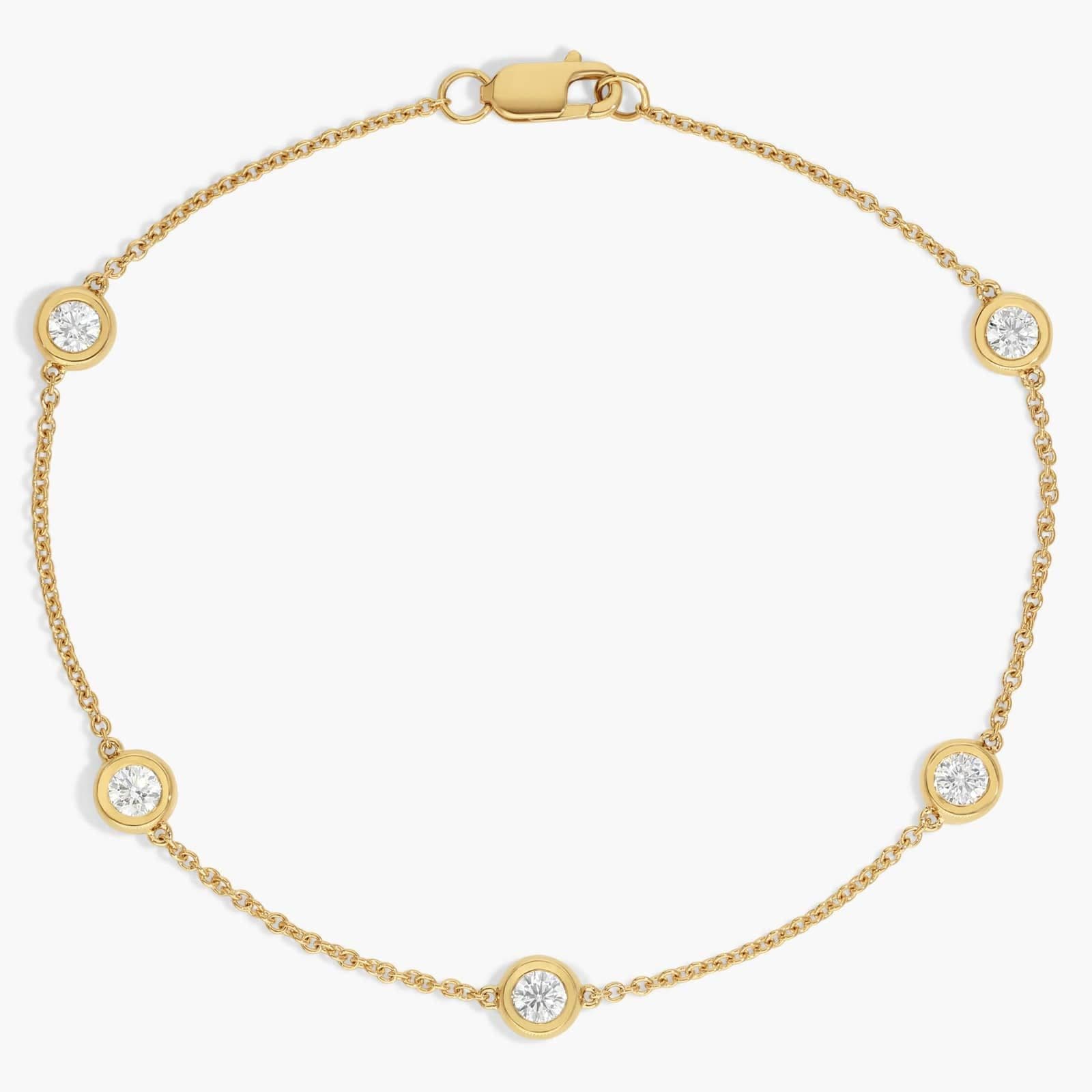
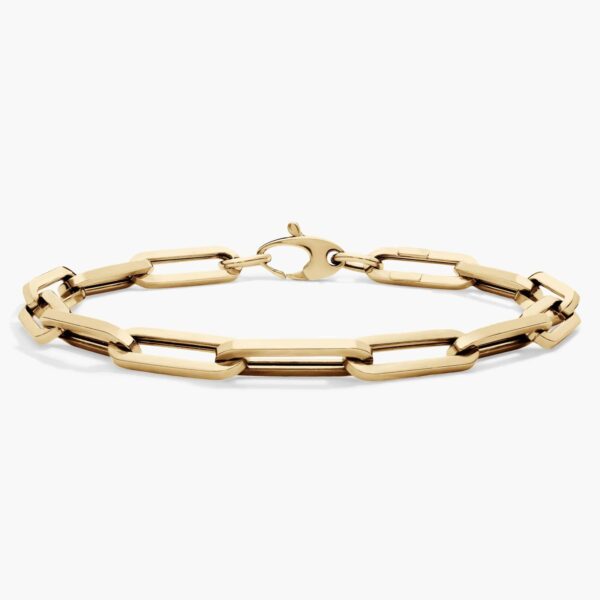
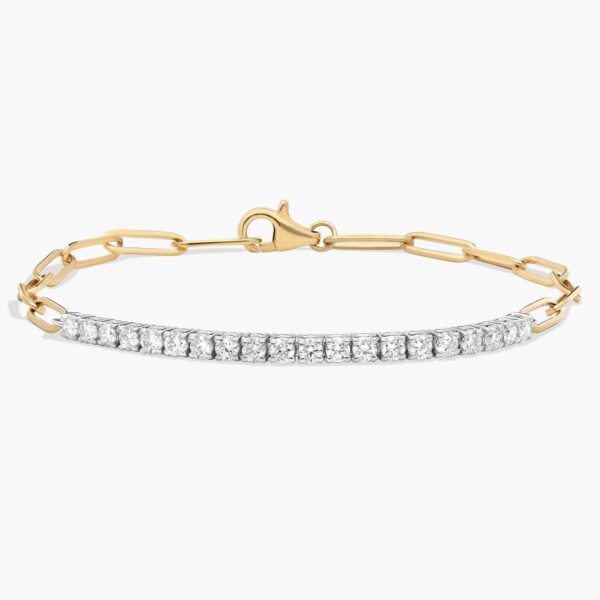
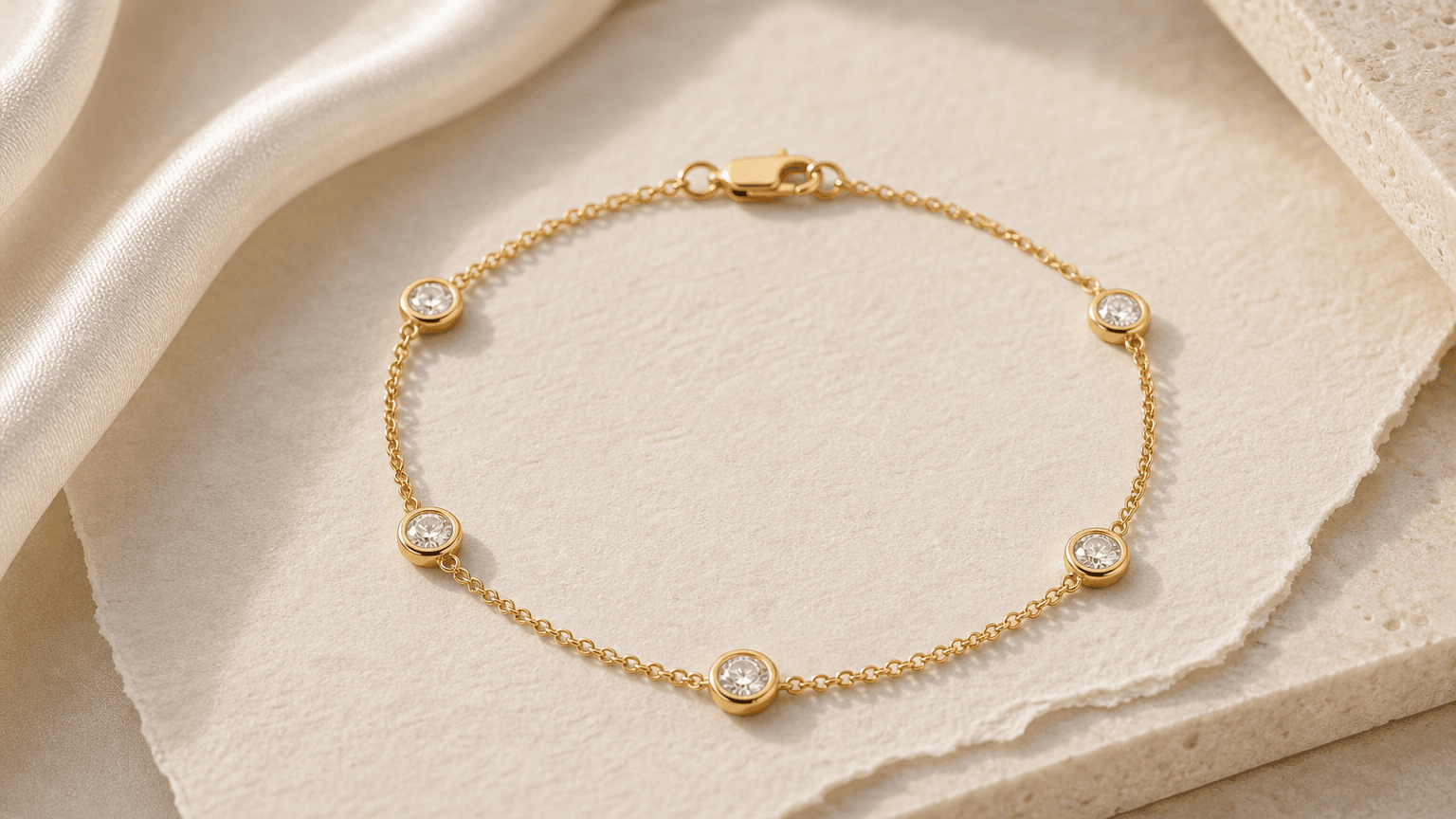
The article uses Luna Diamond Bezel Bracelet as the visual reference for its editorial image because it is a current Lumière store product with a live main image. The guidance below stays practical: it explains what to look for, what to ask, and how to make the decision feel composed.
At a Glance
| Question | Short Answer |
|---|---|
| Best short answer | Ethical jewelry is not defined by one word or material. It depends on transparent sourcing, responsible production, clear labour standards, truthful claims, durable craftsmanship, and honest communication. Buyers should look for specifics rather than broad promises. |
| Most important buyer question | Does this piece answer the practical concern behind "ethical jewelry" clearly and truthfully? |
| What to compare | Diamond quality, setting construction, metal, documentation, care needs, and how the piece will be worn. |
| What to avoid | Unsupported promises, vague origin language, rushed decisions, and buying only for size or trend. |
Key Takeaways
- Ethical jewelry is not defined by one word or material. It depends on transparent sourcing, responsible production, clear labour standards, truthful claims, durable craftsmanship, and honest communication. Buyers should look for specifics rather than broad promises.
- The best buying decision weighs ethical jewelry, documentation, design, comfort, and long-term wearability together.
- Specific claims are more trustworthy than broad promises; ask what is documented for the individual piece.
- A refined jewel should be chosen for beauty, personal meaning, and craftsmanship rather than pressure or trend.
In This Guide
- What Is Ethical Jewelry?
- Why Materials Matter
- Why Traceability Matters
- How Craftsmanship Supports Responsible Luxury
- What Questions Should Buyers Ask?
- How to Read Claims Carefully
- Lumière's Perspective
- Frequently Asked Questions
- Continue Reading
- Explore Related Jewelry
What Is Ethical Jewelry?
Ethical jewelry is jewelry made and sold with attention to people, materials, transparency, and long-term use. It should be supported by specific information rather than vague virtue language.
For a considered luxury purchase, bring the idea back to evidence and wearability. Look for clear product information, proportions that suit the wearer, and language that explains what is known without overstating what cannot be verified.
Why Materials Matter
Diamonds, gold, and other materials carry different sourcing questions. Buyers should ask what is known, what is documented, and what is being claimed with evidence.
For a considered luxury purchase, bring the idea back to evidence and wearability. Look for clear product information, proportions that suit the wearer, and language that explains what is known without overstating what cannot be verified.
Why Traceability Matters
Traceability helps a buyer understand origin and chain of responsibility. It does not make a piece perfect, but it creates a better foundation for trust.
For a considered luxury purchase, bring the idea back to evidence and wearability. Look for clear product information, proportions that suit the wearer, and language that explains what is known without overstating what cannot be verified.
How Craftsmanship Supports Responsible Luxury
A well-made piece can be worn, repaired, resized where appropriate, and cared for over time. Durability is part of responsible design because disposable luxury is a contradiction.
For a considered luxury purchase, bring the idea back to evidence and wearability. Look for clear product information, proportions that suit the wearer, and language that explains what is known without overstating what cannot be verified.
What Questions Should Buyers Ask?
Ask about diamond origin, grading, metal information, production standards, care, return policy, and aftercare. Ethical buying begins with clear answers.
For a considered luxury purchase, bring the idea back to evidence and wearability. Look for clear product information, proportions that suit the wearer, and language that explains what is known without overstating what cannot be verified.
How to Read Claims Carefully
Avoid broad claims that sound absolute. Prefer brands that explain what they can verify and are honest about what depends on supplier documentation or individual product details.
For a considered luxury purchase, bring the idea back to evidence and wearability. Look for clear product information, proportions that suit the wearer, and language that explains what is known without overstating what cannot be verified.
Lumière's Perspective
Lumière treats responsible luxury as a practice of specificity: clear origin, careful wording, considered design, and jewelry made to be lived with.
The featured product for this article is Luna Diamond Bezel Bracelet, selected from the current store catalog as a visual companion to the topic.
Frequently Asked Questions
Is lab-grown diamond jewelry automatically ethical?
No. Lab-grown origin can help with traceability, but ethics still depend on energy, labour, materials, and business practices.
What is responsible luxury?
Responsible luxury combines beauty with better information, careful production, and long-term wearability.
What should I distrust?
Be cautious with absolute claims such as perfect sustainability, future-value promises, or unsupported certification language.
Continue Reading
- Sustainable Fine Jewelry
- Traceability in Jewelry
- Why Lab-Grown Diamonds Are Changing the Future of Luxury Jewelry
Explore Related Jewelry
Explore the Lumière piece featured in this article: Luna Diamond Bezel Bracelet. You can also continue through the related Lumière collections for Fine Jewelry, Lab-Grown Diamonds, Ethical Luxury.