White gold vs platinum
White Gold vs. Platinum: What is the difference? When choosing jewelry in a white shade, you have the option of white gold and platinum. Each metal has its own unique finish and advantages, making the decision not as simple as it may seem. This guide will walk you through the pros and cons of each,
White Gold vs. Platinum: What is the difference?
When choosing jewelry in a white shade, you have the option of white gold and platinum. Each metal has its own unique finish and advantages, making the decision not as simple as it may seem. This guide will walk you through the pros and cons of each, helping you decide which is the better choice for you.
What is White Gold
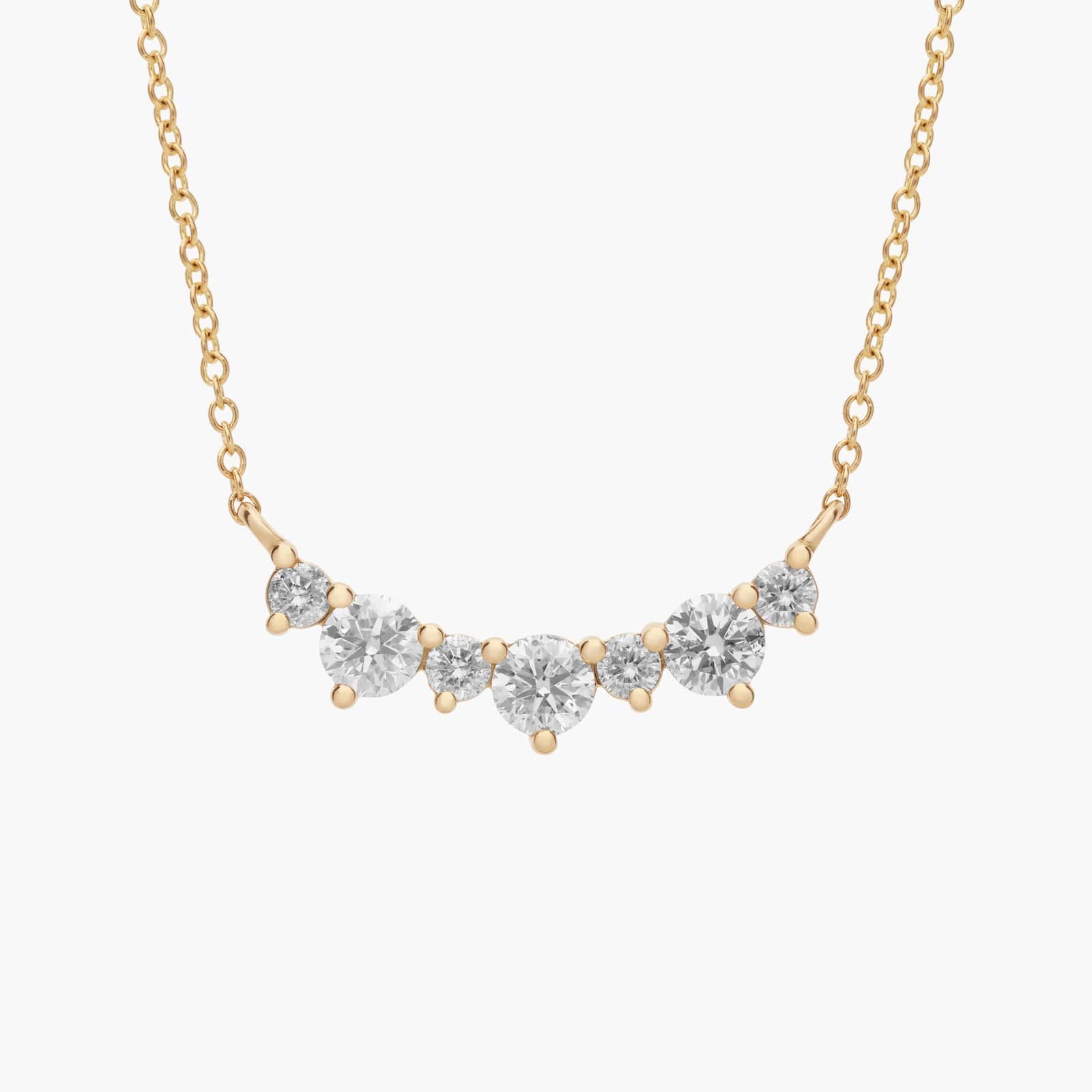
White gold is a versatile alloy made by mixing pure gold with white metals like palladium, nickel, zinc, or silver to achieve its white hue. 18k white gold contains of 75% pure gold. It is lighter and more malleable than platinum, allowing for intricate designs and comfortable wear. White gold’s bright appearance is enhanced by rhodium plating, which highlights the sparkle of any gemstones it holds.
What is Platinum
Color and Appearance
18K White Gold: White gold is initially bright white due to rhodium plating but can turn slightly yellowish as the plating wears off. This is because white gold is an alloy that contains a high concentration of yellow gold, which gives it a yellow tonal finish without the rhodium plating. To maintain its appearance, white gold needs to be replated every few years.
Platinum: Platinum is a naturally white metal that maintains its color without the need for additional plating. Over time, platinum develops a patina that gives it a unique, vintage look. This patina can be polished away if desired, but some people even prefer the patina because it allows the center diamond to shine even brighter!
Durability
18K White Gold: White gold is strong and has the advantage of retaining fine details, such as hand engravings, mill grain, or square edges, better than platinum due to its rigidity. However, the downside of white gold is that it is more susceptible to wearing away. Over time, white gold can become very thin as the metal wears off. When white gold is scratched, the metal is lost, unlike platinum where the metal is merely displaced.
Platinum: Platinum is a very dense metal, which means it has excellent resistance to wearing away. A wedding ring made of platinum can be worn for decades and barely lose any thickness at all. When platinum is scratched or dented, the metal is not lost but merely displaced from one place to another. This creates the patina that platinum is famous for, adding to its unique charm and character over time.
Weight and cost
18K White Gold: White gold is lighter in weight than platinum due to its alloy composition, typically including metals like palladium, nickel, zinc, or silver. This lighter weight can make white gold jewelry feel less substantial. Historically, white gold was more affordable, but recent fluctuations in alloy metal prices have increased its cost.
Platinum: Platinum is denser and heavier than white gold, providing a more substantial feel. This density also means platinum is more resistant to wear and tear. In recent years, platinum has become a more cost-effective option for those seeking a bright white metal due to its stable pricing compared to the rising costs of white gold alloys.
Everyday use
18K White Gold: White gold is lighter than platinum, which can make it more comfortable for everyday wear, especially in larger pieces. However, it is more susceptible to scratches and wear, particularly if you have an active lifestyle. Scratches on white gold result in metal loss, which can make jewelry thinner over time. Additionally, white gold alloys often contain nickel, which can cause allergic reactions in some people.
Platinum: Platinum is a highly durable metal, making it ideal for those with an active lifestyle. Its density and hardness mean it can withstand daily wear and tear without losing metal, as scratches only displace the metal rather than remove it. Platinum is also hypoallergenic, making it a perfect choice for those with sensitive skin. Its naturally white sheen does not require additional plating, ensuring long-lasting brilliance with minimal maintenance.
Long-Term Care
18K White Gold: Needs regular rhodium replating to maintain its white appearance. Exposure to chemicals and everyday wear can accelerate the need for replating.
Platinum: Requires minimal maintenance—only occasional polishing to maintain its shine. It’s naturally resistant to tarnish and corrosion.
By understanding these differences, you can choose the metal that best fits your lifestyle and preferences.
Our Advice
In our opinion, platinum is the better choice for most people due to its unmatched durability, hypoallergenic properties, and minimal maintenance requirements. It is especially ideal for those with an active lifestyle or sensitive skin. Choose white gold if you prefer lighter jewelry or if you have intricate designs that benefit from its rigidity. Otherwise, platinum offers superior performance and longevity, making it the preferred option for long-term wear and everyday use.
By understanding these differences, you can choose the metal that best fits your lifestyle and preferences.
Our Advice
In our opinion, platinum is the better choice for most people due to its unmatched durability, hypoallergenic properties, and minimal maintenance requirements. It is especially ideal for those with an active lifestyle or sensitive skin. Choose white gold if you prefer lighter jewelry or if you have intricate designs that benefit from its rigidity. Otherwise, platinum offers superior performance and longevity, making it the preferred option for long-term wear and everyday use.