Lab-Grown vs Natural Diamonds: Beauty, Value, Ethics, and What Truly Matters is written for buyers who want a calm, precise answer before choosing fine jewelry. Lab-grown and natural diamonds are both real diamonds. The practical difference is origin: one is created in a controlled laboratory environment, while the other forms through geological processes. Buyers should compare beauty, grading, traceability, price, and personal meaning rather than treating either choice as automatically superior.
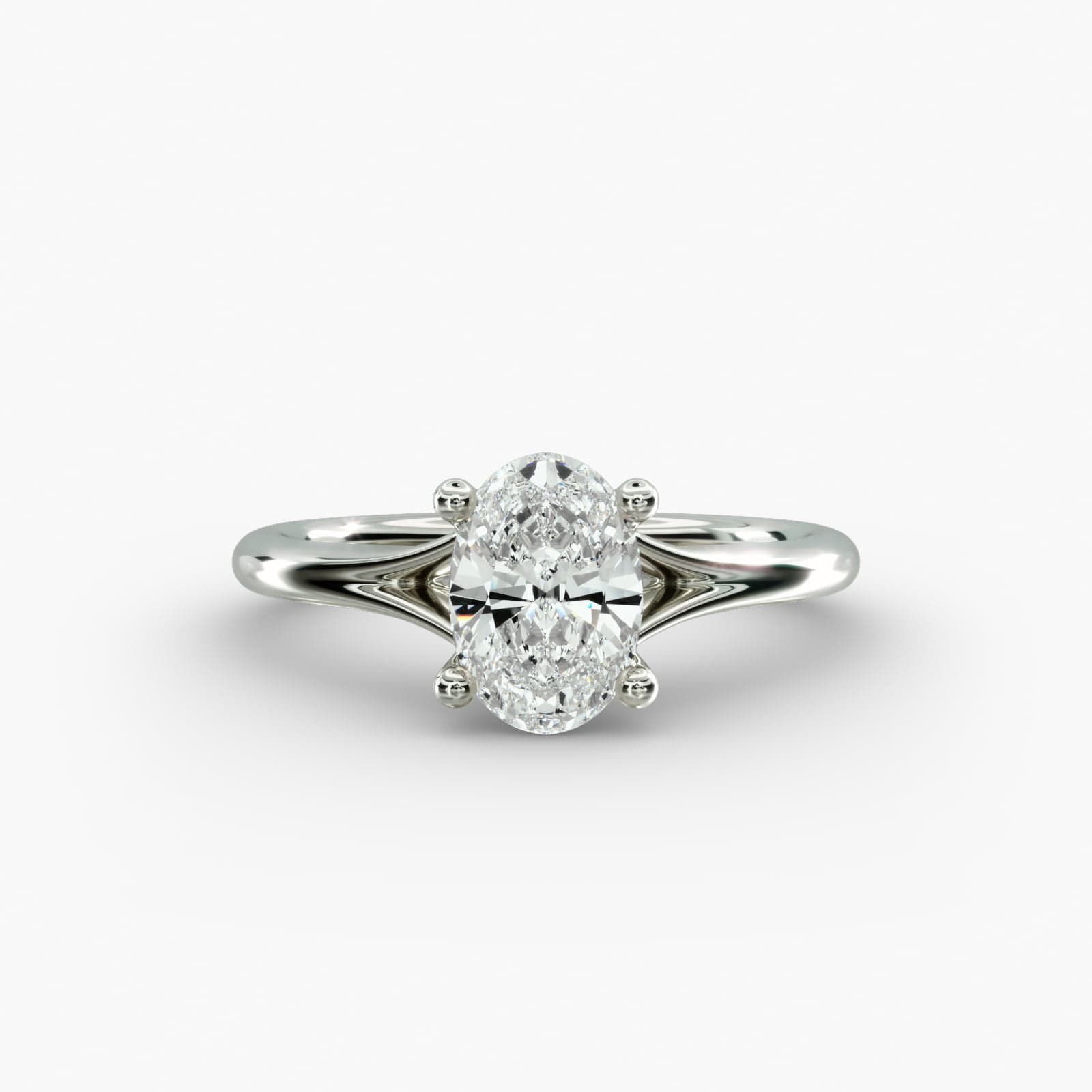
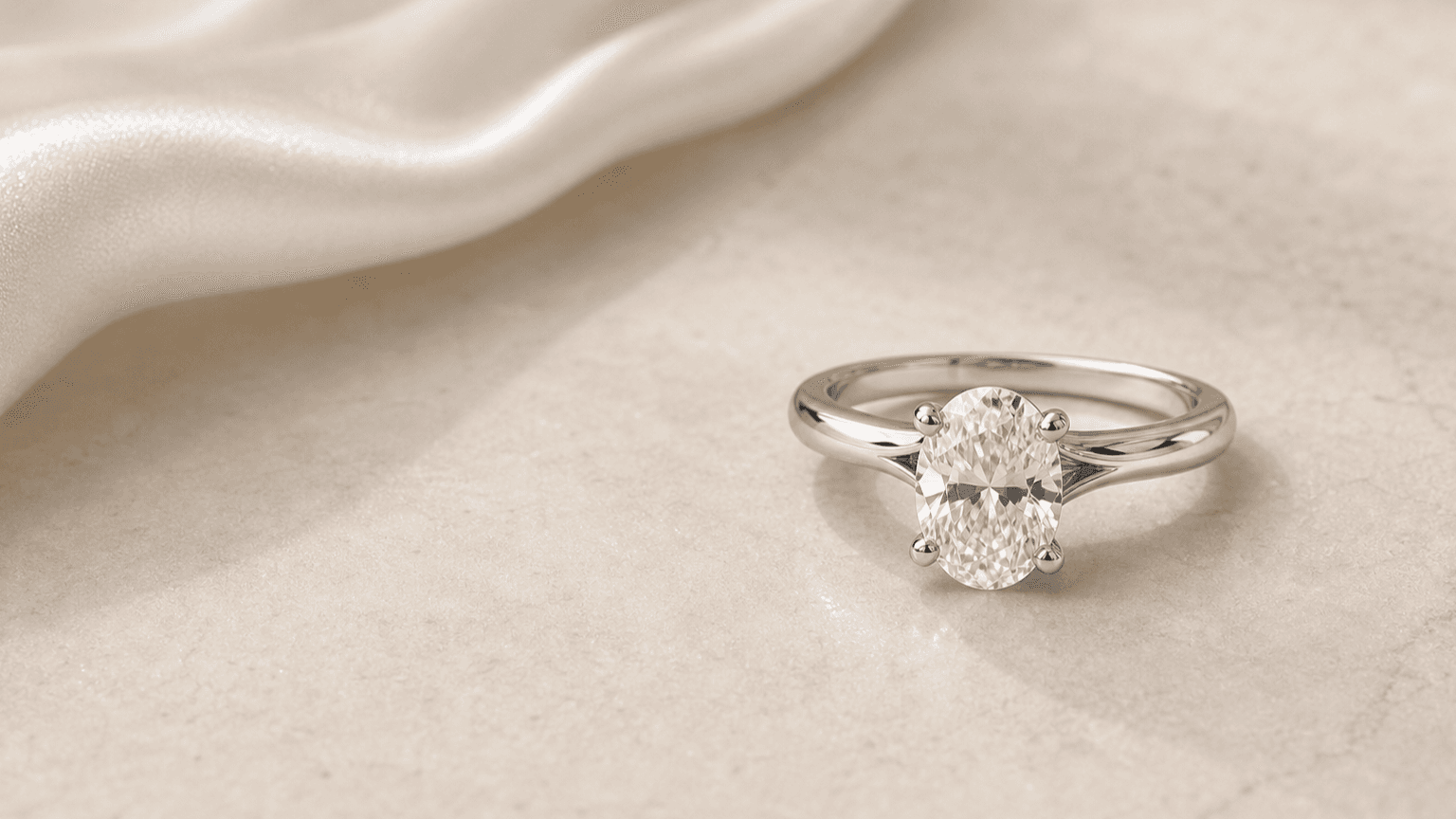
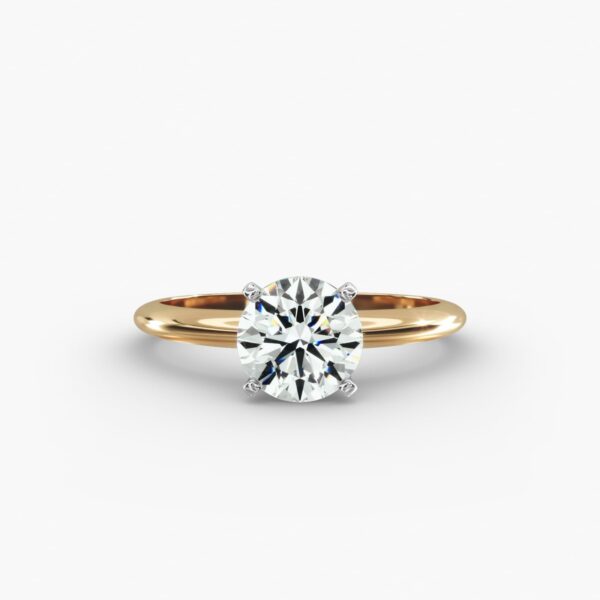
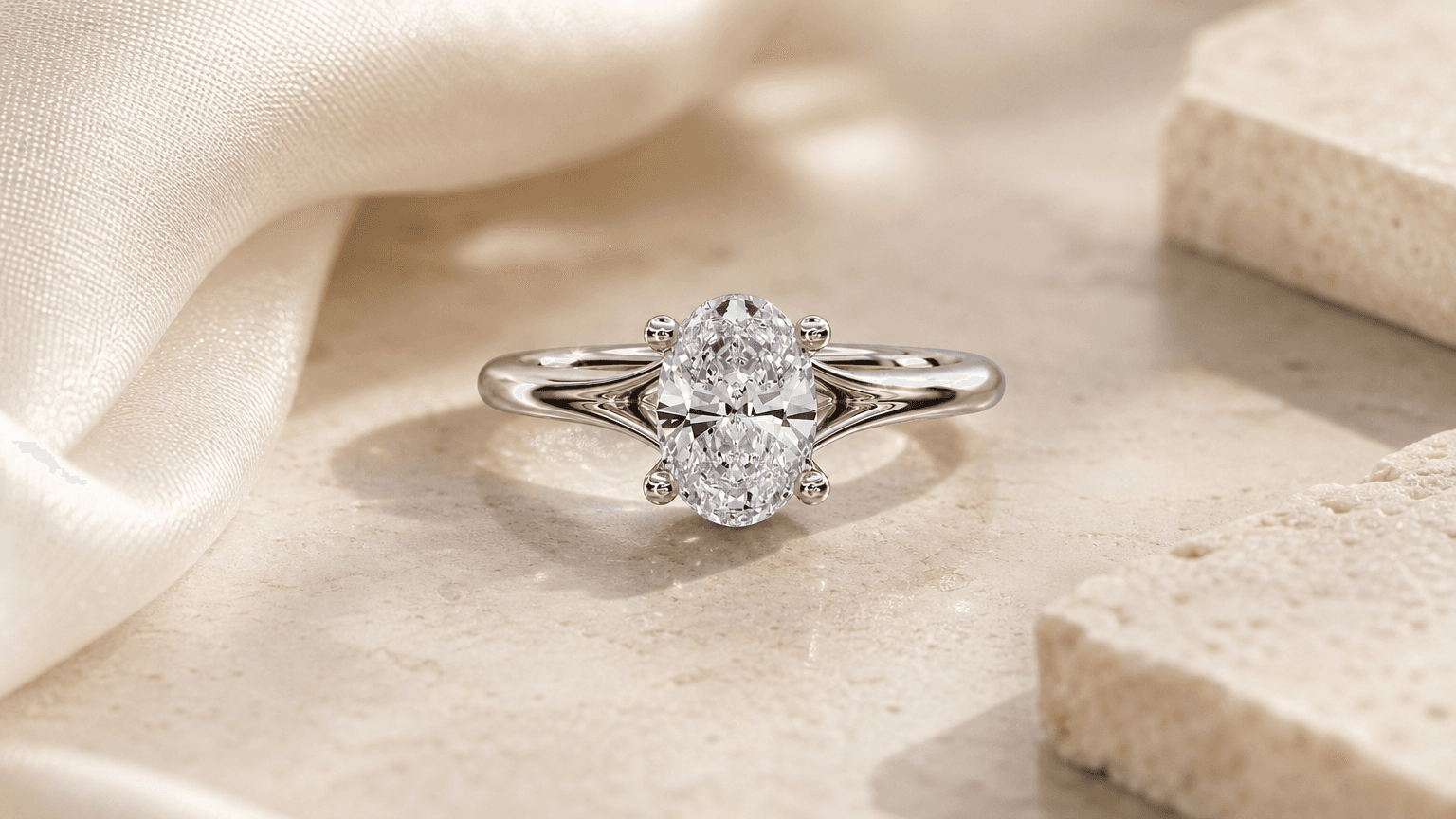
The article uses Estelle Oval Diamond Engagement Ring as the visual reference for its editorial image because it is a current Lumière store product with a live main image. The guidance below stays practical: it explains what to look for, what to ask, and how to make the decision feel composed.
At a Glance
| Question | Short Answer |
|---|---|
| Best short answer | Lab-grown and natural diamonds are both real diamonds. The practical difference is origin: one is created in a controlled laboratory environment, while the other forms through geological processes. Buyers should compare beauty, grading, traceability, price, and personal meaning rather than treating either choice as automatically superior. |
| Most important buyer question | Does this piece answer the practical concern behind "lab grown vs natural diamonds" clearly and truthfully? |
| What to compare | Diamond quality, setting construction, metal, documentation, care needs, and how the piece will be worn. |
| What to avoid | Unsupported promises, vague origin language, rushed decisions, and buying only for size or trend. |
Key Takeaways
- Lab-grown and natural diamonds are both real diamonds. The practical difference is origin: one is created in a controlled laboratory environment, while the other forms through geological processes. Buyers should compare beauty, grading, traceability, price, and personal meaning rather than treating either choice as automatically superior.
- The best buying decision weighs lab grown vs natural diamonds, documentation, design, comfort, and long-term wearability together.
- Specific claims are more trustworthy than broad promises; ask what is documented for the individual piece.
- A refined jewel should be chosen for beauty, personal meaning, and craftsmanship rather than pressure or trend.
In This Guide
- Are Lab-Grown and Natural Diamonds Both Real Diamonds?
- What Is the Main Difference Between Them?
- Which Looks More Beautiful?
- How Do Price and Value Compare?
- What About Ethics and Traceability?
- Which Diamond Should You Choose?
- Lumière's Perspective
- Frequently Asked Questions
- Continue Reading
- Explore Related Jewelry
Are Lab-Grown and Natural Diamonds Both Real Diamonds?
Yes. A lab-grown diamond is crystallised carbon with the same essential optical and chemical identity as a natural diamond. It is not cubic zirconia, glass, or moissanite; it is a diamond with a different origin story.
For a considered luxury purchase, bring the idea back to evidence and wearability. Look for clear product information, proportions that suit the wearer, and language that explains what is known without overstating what cannot be verified.
What Is the Main Difference Between Them?
The distinction is formation. Natural diamonds form underground over long geological periods, while lab-grown diamonds are created through advanced CVD or HPHT methods. That origin affects availability, pricing, and the documentation buyers should expect.
For a considered luxury purchase, bring the idea back to evidence and wearability. Look for clear product information, proportions that suit the wearer, and language that explains what is known without overstating what cannot be verified.
Which Looks More Beautiful?
Beauty depends less on origin than on cut, proportion, polish, symmetry, colour, and clarity. A well-cut lab-grown diamond and a well-cut natural diamond can both appear exceptionally brilliant when viewed in a finished jewel.
For a considered luxury purchase, bring the idea back to evidence and wearability. Look for clear product information, proportions that suit the wearer, and language that explains what is known without overstating what cannot be verified.
How Do Price and Value Compare?
Comparable lab-grown diamonds often cost less at retail than natural diamonds, which can allow a buyer to prioritise size, cut, or setting detail. Resale markets are separate from retail value, so diamond jewelry should be chosen for beauty and meaning, not treated as an investment vehicle.
For a considered luxury purchase, bring the idea back to evidence and wearability. Look for clear product information, proportions that suit the wearer, and language that explains what is known without overstating what cannot be verified.
What About Ethics and Traceability?
Lab-grown diamonds avoid mining, but responsible buying still asks for specifics: production standards, grading, metal information, and a transparent seller. Natural diamonds also vary widely by supply chain and documentation.
For a considered luxury purchase, bring the idea back to evidence and wearability. Look for clear product information, proportions that suit the wearer, and language that explains what is known without overstating what cannot be verified.
Which Diamond Should You Choose?
Choose the diamond that best fits the wearer, the budget, and the values behind the purchase. Origin matters, but so do craftsmanship, setting security, long-term comfort, and how the jewel feels in daily life.
For a considered luxury purchase, bring the idea back to evidence and wearability. Look for clear product information, proportions that suit the wearer, and language that explains what is known without overstating what cannot be verified.
Lumière's Perspective
Lumière works with lab-grown diamonds because they allow refined design, thoughtful traceability, and strong visual beauty within a modern luxury framework.
The featured product for this article is Estelle Oval Diamond Engagement Ring, selected from the current store catalog as a visual companion to the topic.
Frequently Asked Questions
Are lab-grown diamonds fake?
No. Lab-grown diamonds are real diamonds, not simulants. Their origin is laboratory growth rather than geological formation.
Can a jeweller tell the difference?
Specialist equipment and inscriptions can identify origin, but the visual beauty of comparable diamonds is often very similar to the naked eye.
Are natural diamonds always better?
No single origin is automatically better. The right choice depends on quality, documentation, budget, and personal meaning.
Continue Reading
- What Are Lab-Grown Diamonds?
- Do Lab-Grown Diamonds Hold Their Value? A Transparent Buyer’s Guide
- Diamond Certification Explained
Explore Related Jewelry
Explore the Lumière piece featured in this article: Estelle Oval Diamond Engagement Ring. You can also continue through the related Lumière collections for Lab-Grown Diamonds, Engagement Rings, Fine Jewelry.