Engagement Ring Settings Explained: Solitaire, Halo, Pavé, Bezel, and Three-Stone is written for buyers who want a calm, precise answer before choosing fine jewelry. An engagement ring setting determines how the diamond is held, how the ring looks from every angle, and how practical it feels in daily wear. Solitaire, halo, pavé, bezel, and three-stone settings each offer a different balance of simplicity, brilliance, protection, and symbolism.
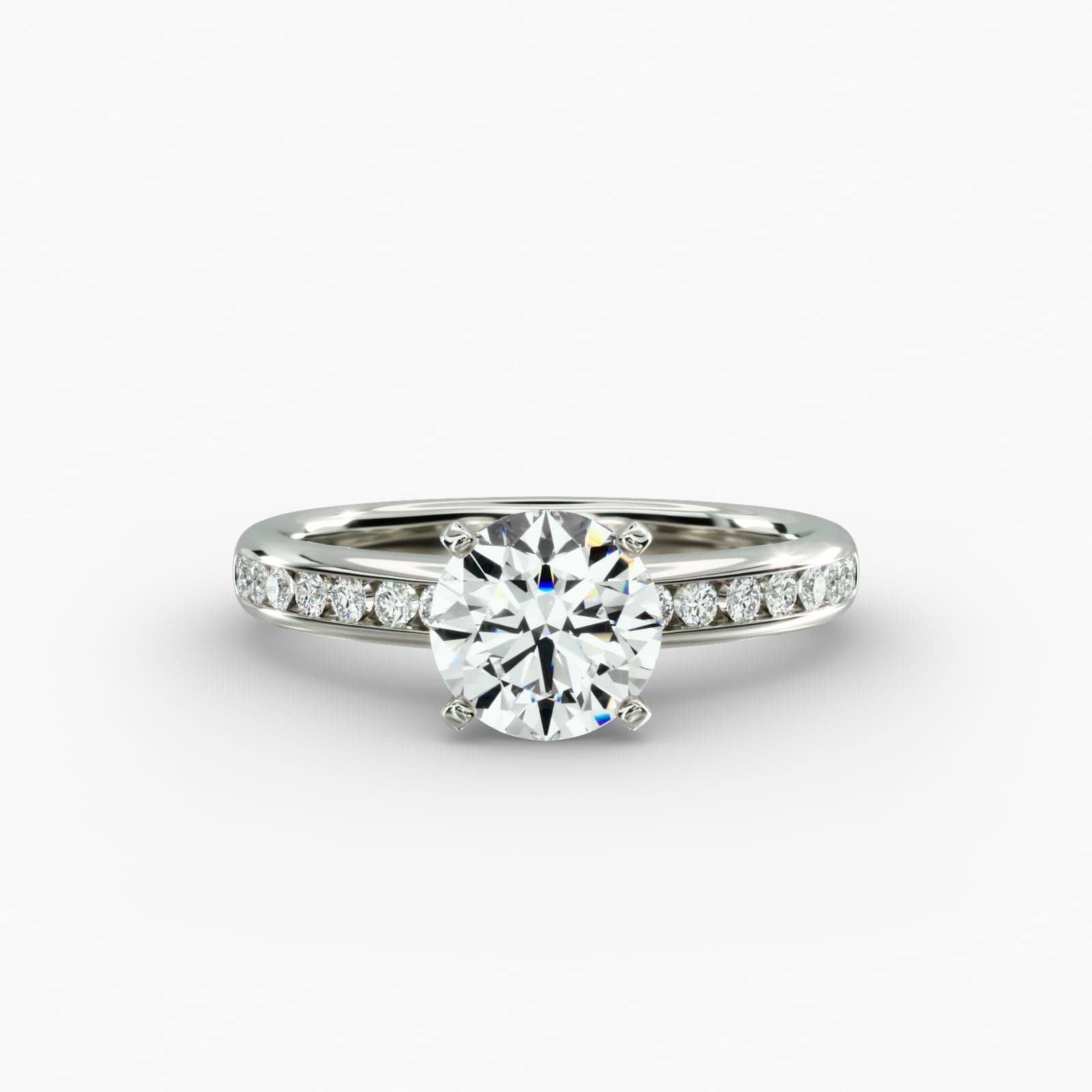
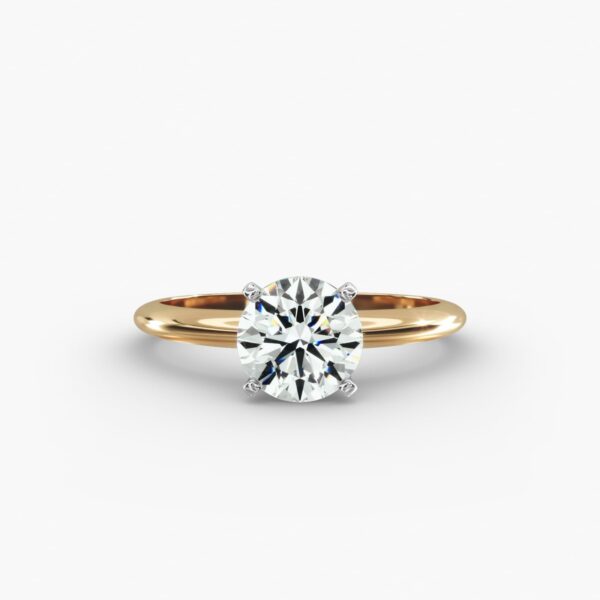
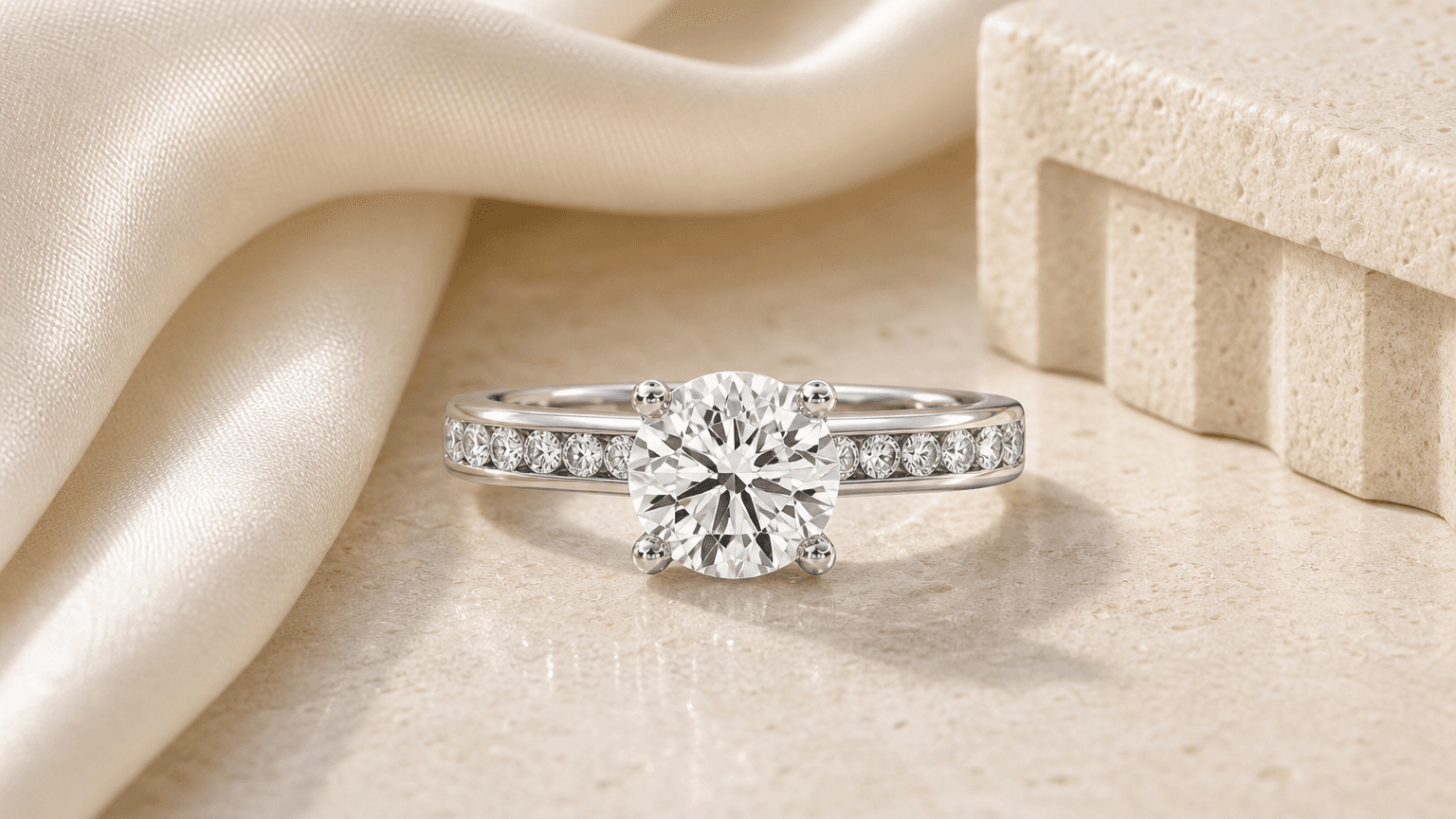
The article uses Camille Channel-Set Round Diamond Engagement Ring as the visual reference for its editorial image because it is a current Lumière store product with a live main image. The guidance below stays practical: it explains what to look for, what to ask, and how to make the decision feel composed.
At a Glance
| Question | Short Answer |
|---|---|
| Best short answer | An engagement ring setting determines how the diamond is held, how the ring looks from every angle, and how practical it feels in daily wear. Solitaire, halo, pavé, bezel, and three-stone settings each offer a different balance of simplicity, brilliance, protection, and symbolism. |
| Most important buyer question | Does this piece answer the practical concern behind "engagement ring settings" clearly and truthfully? |
| What to compare | Diamond quality, setting construction, metal, documentation, care needs, and how the piece will be worn. |
| What to avoid | Unsupported promises, vague origin language, rushed decisions, and buying only for size or trend. |
Key Takeaways
- An engagement ring setting determines how the diamond is held, how the ring looks from every angle, and how practical it feels in daily wear. Solitaire, halo, pavé, bezel, and three-stone settings each offer a different balance of simplicity, brilliance, protection, and symbolism.
- The best buying decision weighs engagement ring settings, documentation, design, comfort, and long-term wearability together.
- Specific claims are more trustworthy than broad promises; ask what is documented for the individual piece.
- A refined jewel should be chosen for beauty, personal meaning, and craftsmanship rather than pressure or trend.
In This Guide
- What Is an Engagement Ring Setting?
- Solitaire Settings
- Halo Settings
- Pavé Settings
- Bezel Settings
- Three-Stone Settings
- How to Choose the Right Setting
- Lumière's Perspective
- Frequently Asked Questions
- Continue Reading
- Explore Related Jewelry
What Is an Engagement Ring Setting?
The setting is the structure that holds the diamond and defines the ring’s silhouette. It affects height, security, light access, side profile, and how the jewel pairs with wedding bands.
For a considered luxury purchase, bring the idea back to evidence and wearability. Look for clear product information, proportions that suit the wearer, and language that explains what is known without overstating what cannot be verified.
Solitaire Settings
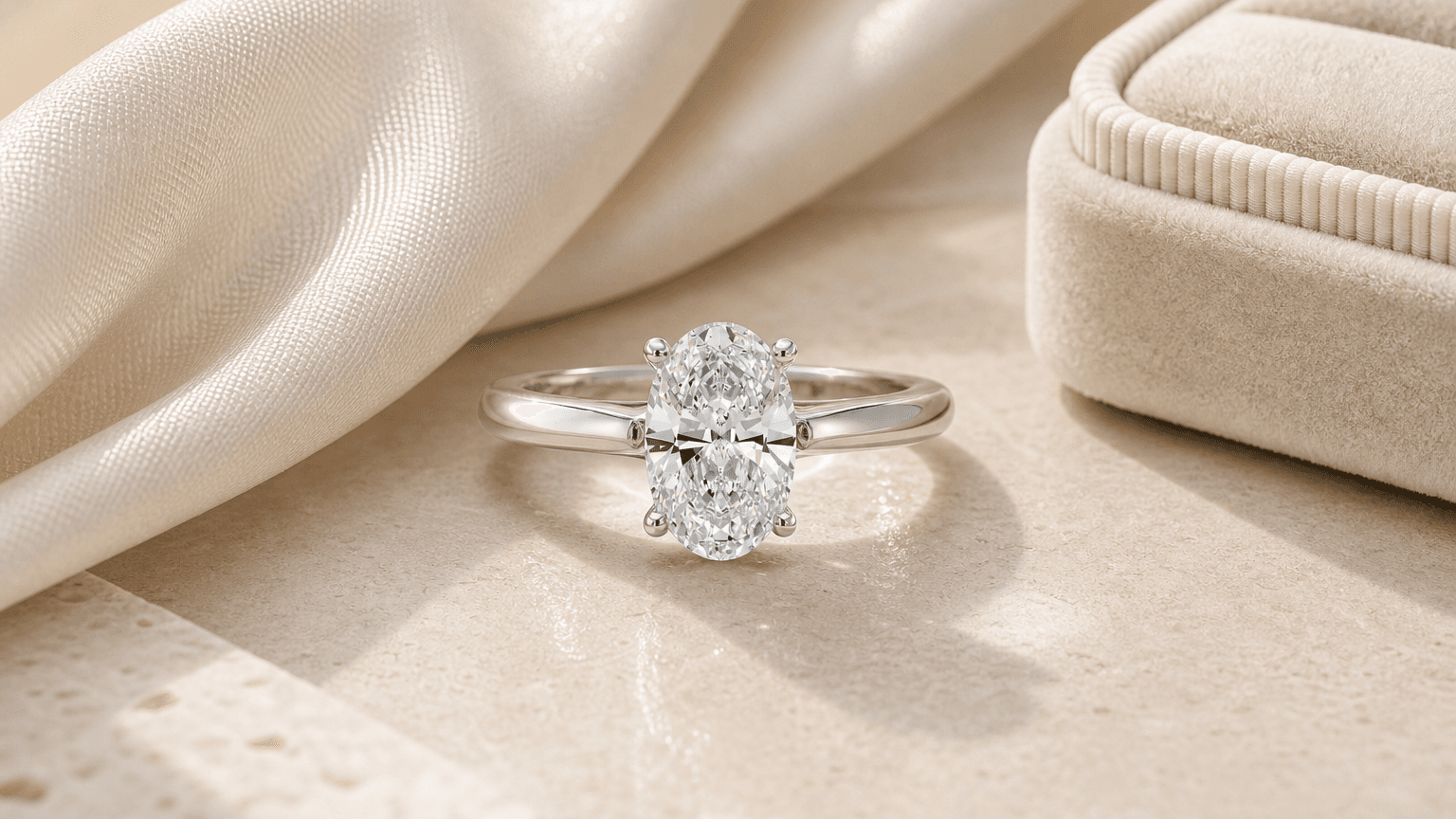
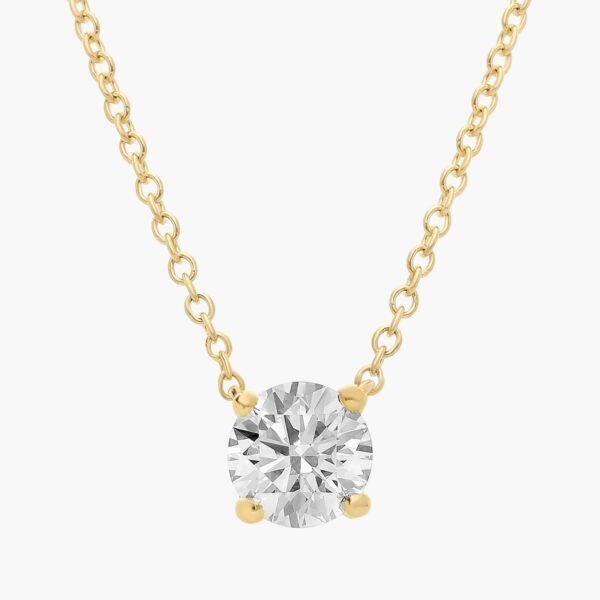
A solitaire setting places emphasis on one centre diamond. It is refined, versatile, and ideal when the wearer prefers clean lines and timeless restraint.
For a considered luxury purchase, bring the idea back to evidence and wearability. Look for clear product information, proportions that suit the wearer, and language that explains what is known without overstating what cannot be verified.
Halo Settings
A halo frames the centre stone with smaller diamonds, increasing visual presence. It can feel romantic and luminous when proportions remain balanced.
For a considered luxury purchase, bring the idea back to evidence and wearability. Look for clear product information, proportions that suit the wearer, and language that explains what is known without overstating what cannot be verified.
Pavé Settings
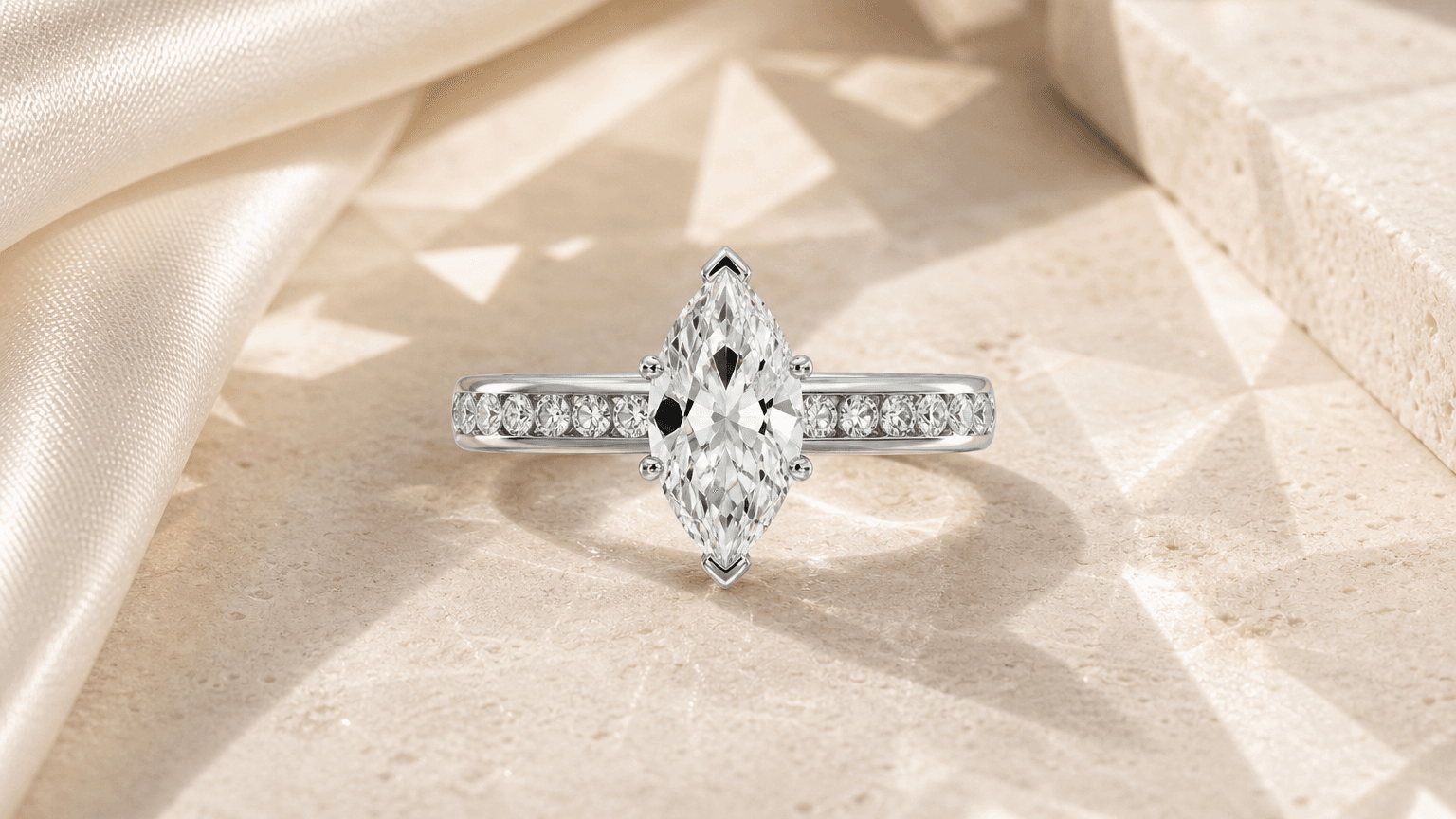
Pavé adds small diamonds along the band for fine sparkle. Setting quality matters because each small stone must be secure and evenly finished.
For a considered luxury purchase, bring the idea back to evidence and wearability. Look for clear product information, proportions that suit the wearer, and language that explains what is known without overstating what cannot be verified.
Bezel Settings
A bezel surrounds the diamond with metal, offering a smooth, protective profile. It can feel modern, architectural, and practical for active wearers.
For a considered luxury purchase, bring the idea back to evidence and wearability. Look for clear product information, proportions that suit the wearer, and language that explains what is known without overstating what cannot be verified.
Three-Stone Settings
Three-stone rings add side diamonds for symbolism and width. They need careful proportion so the centre diamond remains the focal point.
For a considered luxury purchase, bring the idea back to evidence and wearability. Look for clear product information, proportions that suit the wearer, and language that explains what is known without overstating what cannot be verified.
How to Choose the Right Setting
Choose by lifestyle, visual preference, and comfort. A setting should support the diamond, protect it appropriately, and feel natural on the hand.
For a considered luxury purchase, bring the idea back to evidence and wearability. Look for clear product information, proportions that suit the wearer, and language that explains what is known without overstating what cannot be verified.
Lumière's Perspective
At Lumière, a setting is never only decoration. It is architecture for light, comfort, and long-term wear.
The featured product for this article is Camille Channel-Set Round Diamond Engagement Ring, selected from the current store catalog as a visual companion to the topic.
Frequently Asked Questions
Which setting is most timeless?
Solitaire settings are the most minimal and enduring, though well-proportioned pavé and three-stone settings can also feel timeless.
Which setting protects a diamond best?
Bezel settings usually offer more edge protection, but all settings require good craftsmanship and periodic checks.
Can a setting make a diamond look larger?
Halo and certain pavé designs can increase visual presence, but proportion should remain elegant.
Continue Reading
- How to Choose an Engagement Ring
- The Best Diamond Shapes for Engagement Rings
- Lab-Grown Diamond Engagement Rings
Explore Related Jewelry
Explore the Lumière piece featured in this article: Camille Channel-Set Round Diamond Engagement Ring. You can also continue through the related Lumière collections for Engagement Rings, Lab-Grown Diamonds, Fine Jewelry.