How Lab-Grown Diamonds Are Made: From Carbon to Brilliance is written for buyers who want a calm, precise answer before choosing fine jewelry. Lab-grown diamonds are made by growing carbon into diamond crystal through advanced methods such as CVD and HPHT. After growth, rough diamonds are cut, polished, inspected, and often graded by an independent laboratory before being set into fine jewelry.
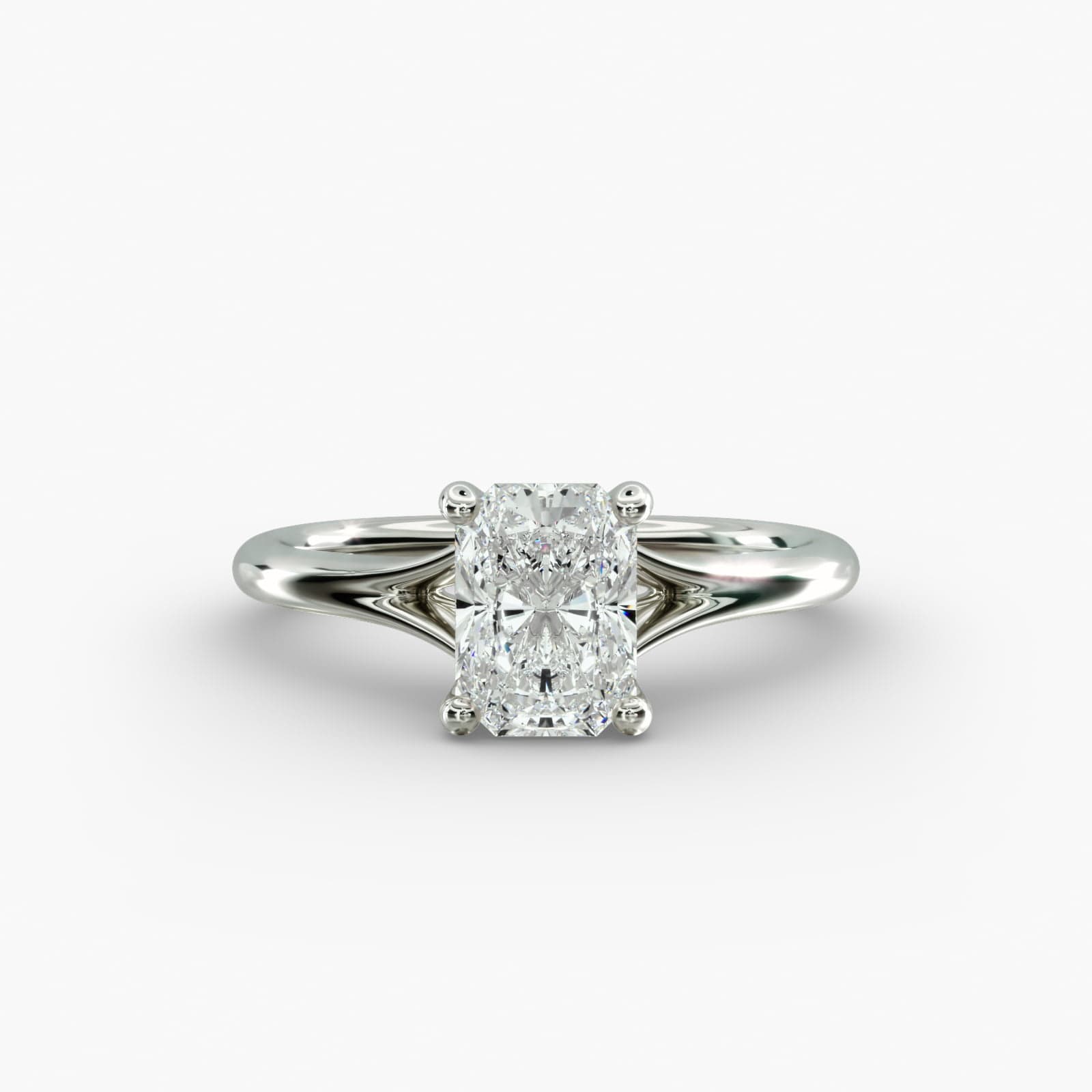
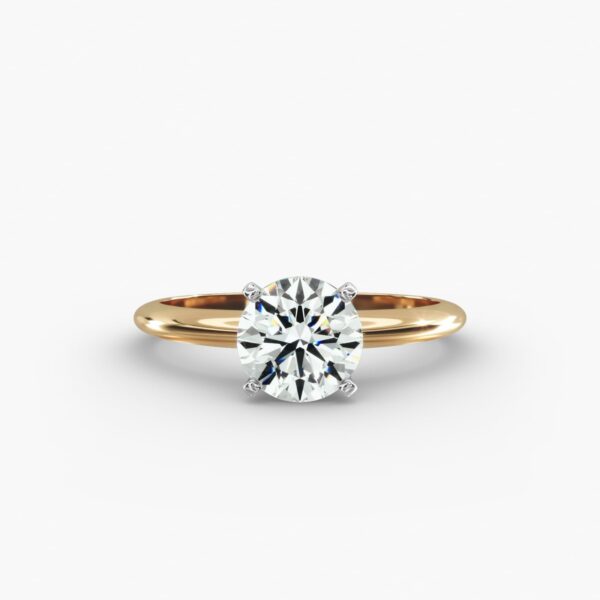
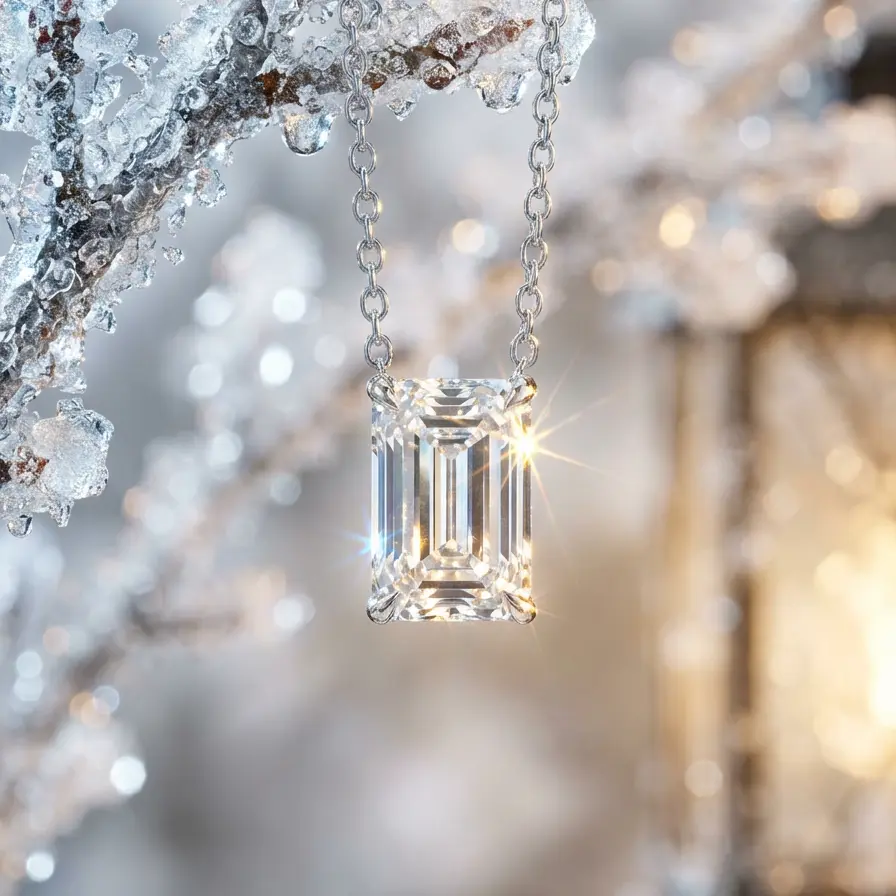
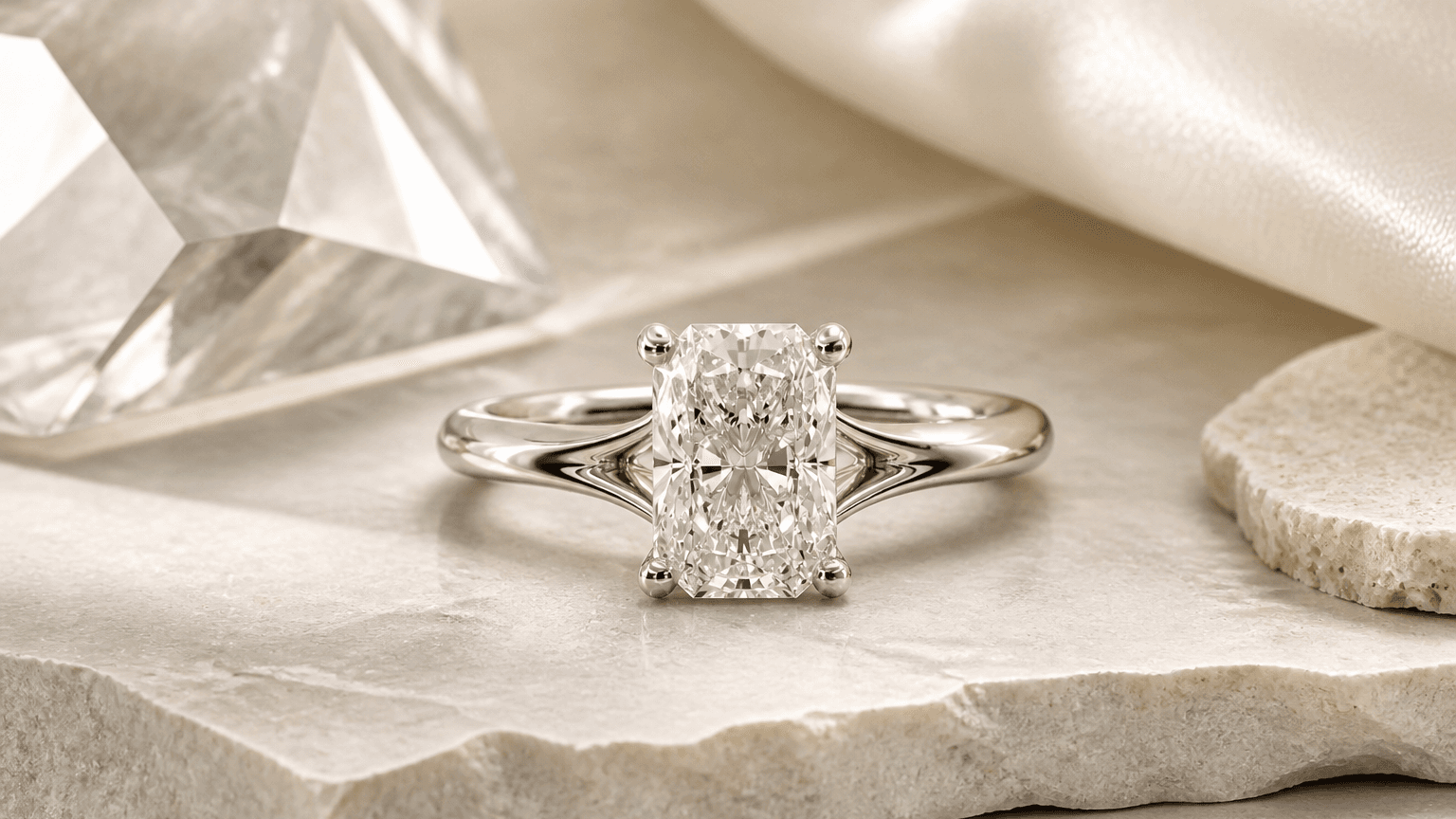
The article uses Estelle Radiant Diamond Engagement Ring as the visual reference for its editorial image because it is a current Lumière store product with a live main image. The guidance below stays practical: it explains what to look for, what to ask, and how to make the decision feel composed.
At a Glance
| Question | Short Answer |
|---|---|
| Best short answer | Lab-grown diamonds are made by growing carbon into diamond crystal through advanced methods such as CVD and HPHT. After growth, rough diamonds are cut, polished, inspected, and often graded by an independent laboratory before being set into fine jewelry. |
| Most important buyer question | Does this piece answer the practical concern behind "how are lab grown diamonds made" clearly and truthfully? |
| What to compare | Diamond quality, setting construction, metal, documentation, care needs, and how the piece will be worn. |
| What to avoid | Unsupported promises, vague origin language, rushed decisions, and buying only for size or trend. |
Key Takeaways
- Lab-grown diamonds are made by growing carbon into diamond crystal through advanced methods such as CVD and HPHT. After growth, rough diamonds are cut, polished, inspected, and often graded by an independent laboratory before being set into fine jewelry.
- The best buying decision weighs how are lab grown diamonds made, documentation, design, comfort, and long-term wearability together.
- Specific claims are more trustworthy than broad promises; ask what is documented for the individual piece.
- A refined jewel should be chosen for beauty, personal meaning, and craftsmanship rather than pressure or trend.
In This Guide
- How Are Lab-Grown Diamonds Made?
- What Is the CVD Method?
- What Is the HPHT Method?
- What Happens After the Diamond Is Grown?
- Are Lab-Grown Diamonds Certified?
- Why the Process Matters to Buyers
- Lumière's Perspective
- Frequently Asked Questions
- Continue Reading
- Explore Related Jewelry
How Are Lab-Grown Diamonds Made?
Lab-grown diamonds begin with carbon and controlled conditions that allow diamond crystal to grow. The result is rough diamond material that must still be planned, cut, and polished before it becomes a jewel.
For a considered luxury purchase, bring the idea back to evidence and wearability. Look for clear product information, proportions that suit the wearer, and language that explains what is known without overstating what cannot be verified.
What Is the CVD Method?
CVD, or Chemical Vapour Deposition, grows diamond in a chamber using carbon-rich gas. Thin layers build over time, forming diamond material that can later be cut for brilliance.
For a considered luxury purchase, bring the idea back to evidence and wearability. Look for clear product information, proportions that suit the wearer, and language that explains what is known without overstating what cannot be verified.
What Is the HPHT Method?
HPHT, or High Pressure High Temperature, recreates intense heat and pressure conditions used to form diamond crystal. It can be used to grow diamonds and, in some cases, to treat diamond material.
For a considered luxury purchase, bring the idea back to evidence and wearability. Look for clear product information, proportions that suit the wearer, and language that explains what is known without overstating what cannot be verified.
What Happens After the Diamond Is Grown?
A grown diamond is not automatically beautiful. Specialists study the rough, plan the cut, polish the facets, and inspect symmetry and finish so the stone performs well in light.
For a considered luxury purchase, bring the idea back to evidence and wearability. Look for clear product information, proportions that suit the wearer, and language that explains what is known without overstating what cannot be verified.
Are Lab-Grown Diamonds Certified?
Many lab-grown diamonds are graded by independent laboratories. A report may describe carat weight, colour, clarity, cut information, measurements, and origin disclosure.
For a considered luxury purchase, bring the idea back to evidence and wearability. Look for clear product information, proportions that suit the wearer, and language that explains what is known without overstating what cannot be verified.
Why the Process Matters to Buyers
Understanding the process helps buyers ask better questions. Origin, grading, cut quality, and setting craftsmanship all contribute to the confidence of the final purchase.
For a considered luxury purchase, bring the idea back to evidence and wearability. Look for clear product information, proportions that suit the wearer, and language that explains what is known without overstating what cannot be verified.
Lumière's Perspective
Lumière treats the growth process as only the beginning. The finished jewel depends on disciplined selection, proportion, setting, and quiet refinement.
The featured product for this article is Estelle Radiant Diamond Engagement Ring, selected from the current store catalog as a visual companion to the topic.
Frequently Asked Questions
Are lab-grown diamonds grown quickly?
Growth can be much faster than geological formation, but cutting, polishing, grading, and setting still require skill and time.
Is CVD better than HPHT?
Neither method is automatically better for every diamond. The final quality depends on the individual stone and its grading details.
Do lab-grown diamonds need certification?
Certification is strongly useful because it gives buyers independent information about the stone.
Continue Reading
- Are Lab-Grown Diamonds Real Diamonds? The Science, Simply Explained
- Lab-Grown vs Natural Diamonds
- Diamond Certification Explained
Explore Related Jewelry
Explore the Lumière piece featured in this article: Estelle Radiant Diamond Engagement Ring. You can also continue through the related Lumière collections for Lab-Grown Diamonds, Engagement Rings, Fine Jewelry.